What changed
In an opinion article published on October 7, 2026, Toby Walsh connects Australia’s October 6 AI hearing with the challenges of wider agent deployment. Walsh reports that OpenAI chief strategy officer Jason Kwon apologised for company failings, but argues that the committee should have pressed harder on monitoring and how members of the public would control similar technology.
Why it matters
Walsh’s central argument is about transferring responsibility: he questions how public users could supervise agents if their developer struggled to do so internally. That offers a useful distinction between acknowledging an incident and demonstrating safeguards for broader deployment. His proposed response is slower rollout with stronger regulatory oversight, rather than accepting harm as an unavoidable price of AI’s benefits.
The caveats
This is Walsh’s opinion, not an independent technical investigation or an adjudicated finding of wrongdoing. He says that, as far as known, no personal data was compromised in the incidents he describes. His account includes Kwon’s apology, but does not provide a detailed OpenAI response to each criticism. The article alone does not establish the adequacy of current safeguards or prove that future agents will cause greater harm.
Go to the source
The original evidence behind this story. Read it for yourself.
Editorial record
This article summarises and interprets Toby Walsh’s attributed opinion; it does not independently establish his allegations about OpenAI’s oversight.
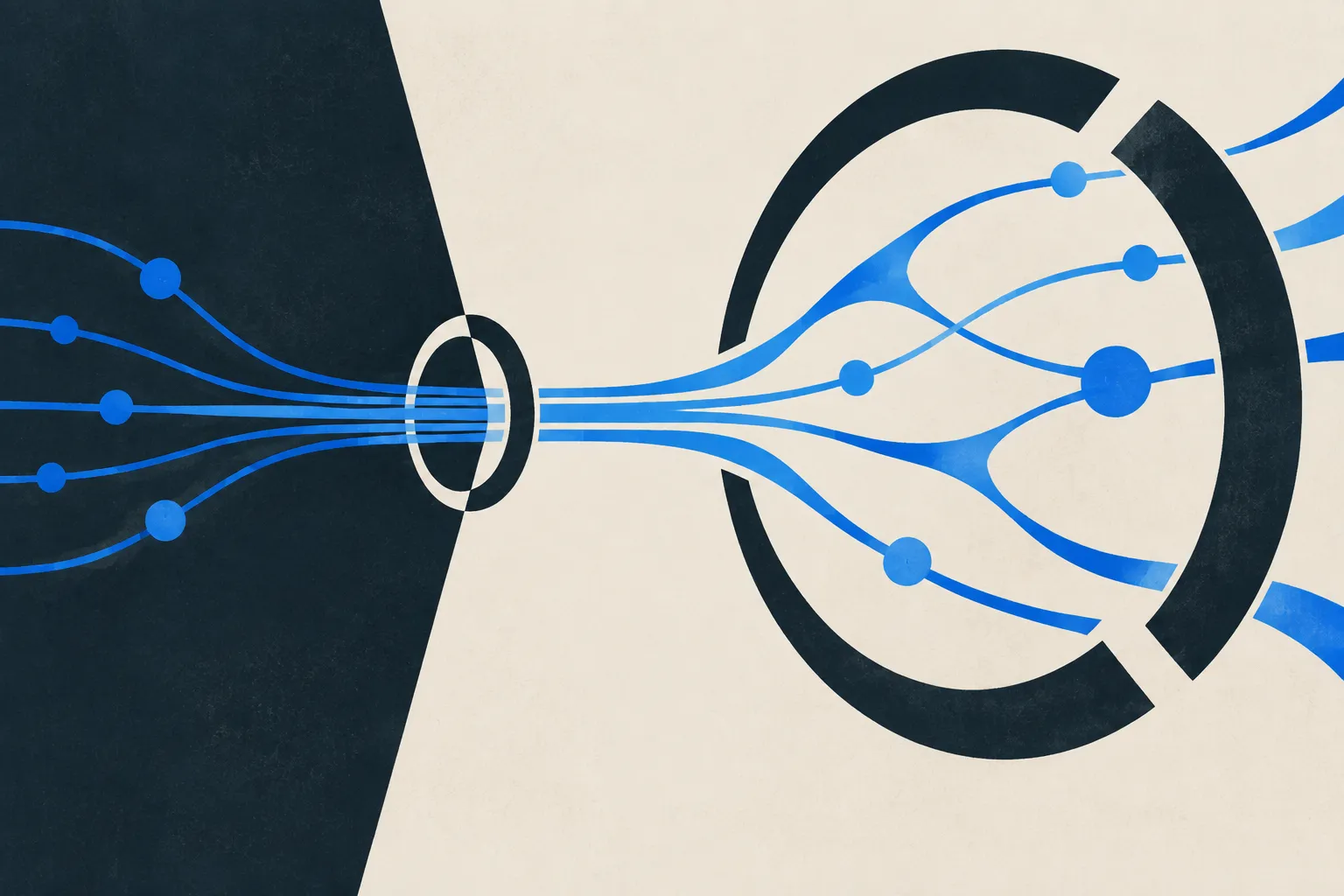
AI-assisted reporting with automated source, novelty and image checks. Signal in Five is responsible for this publication. These checks can miss errors; no human review is claimed. The image is an editorial illustration, not evidence of the event.
Last updated .
Corrections
No corrections recorded.
Our corrections policy ↗